Metamorphic Force








Metamorphic Force: Konami’s 1993 Arcade Beat-Em-Up Classic
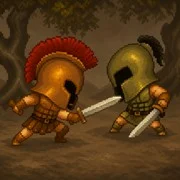
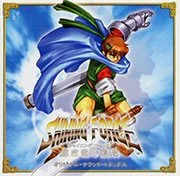
Metamorphic Force is a beat-em-up that Konami released in arcades in 1993. You play as one of four heroes who can transform into beasts, sent out to crush an army of monsters. The whole thing looks ripped from a Saturday morning cartoon that never actually aired.
The Setup
The plot won’t surprise anyone who’s played this kind of game. A Greek goddess—Athena, specifically—gets worried about an evil ruler raising monsters to cause chaos. Her fix? Reincarnate a handful of muscular warriors who can shift into animal forms. You’re one of them, dropped into the year 199X to take down a villain known only as “The Evil King.”
If that reminds you of Altered Beast, you’re not wrong. Metamorphic Force just does it better.
Choosing a Hero
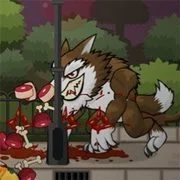
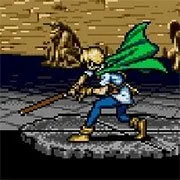
There are four playable characters, and they don’t feel all that different from one another. Most of the changes come down to animation. Claude fights with a sword and becomes a werewolf. Ivan swings a giant log and turns into a bear. Max shifts into a panther. Then there’s Ban, a martial artist who morphs into a werebull.
Pick Ban. In bull form he can grapple enemies and hit them with wrestling moves, which quietly makes him the strongest of the four.
The Transformation Hook
Here’s the part that makes the game stick. Scattered through the stages are cat people carrying sacks—lifted almost directly from Golden Axe. Hit one and it drops a statue of Athena. Grab that statue, and your character changes into their beast form.
Beast form is just better. You move faster, jump higher, deal more damage, and can grab enemies by walking into them, like in Final Fight. The catch is a small meter under your health bar. Take hits and it drains. When it empties, you shrink back to human until you find another statue.
And if you grab a statue while you’re already transformed? The whole screen erupts in color and every enemy takes a hit. So you almost always want to snatch one the moment it shows up. The system doesn’t add much real strategy—there’s no reason to ever stay human—but it keeps things moving and looks fantastic.
Fighting Through the Stages
Combat sticks close to Konami’s other brawlers. You can hit enemies while they’re knocked down, a feature carried over from X-Men and Vendetta, and it’s still useful here. There’s also a special attack that clears out nearby enemies at the cost of your own health, the standard Final Fight trade-off.
What sets it apart is the pace. Metamorphic Force feels quicker than X-Men, and it never lets you linger too long in one spot. Stages move fast. Watching four werebeasts tear across the screen, stomping monsters while statues fire lasers in the background, gets chaotic in the best way.
Style and Sound
The animation is smoother than you’d expect from a Konami brawler of this era, and the colors lean bright, almost pastel. That mix is what sells the forgotten-cartoon vibe. You’re carving through lizardmen and trolls in candy-colored stages, and it all looks distinct from the company’s licensed games.
Konami also showed off a bit. Some floors are made of ice that reflects whatever’s standing on it. The boss rush stage drops you into a coliseum with a background that rotates as you move. Small touches, but they give the game personality.
The soundtrack is great—synth guitars paired with trumpets, which sounds odd on paper but works. It genuinely makes you want to wade into the next group of enemies. The voice acting is another story. Konami clearly hired two or three actors and called it a day. The first boss teleports in and announces he won’t let anyone into “this area,” right before you stroll into said area and wreck him. It’s cheesy. It fits.
Japanese vs. International Versions
The Japanese release isn’t quite the same as the versions that went overseas. In Japan, you get a normal energy bar and a set number of lives. Everywhere else, your health shows up as a number that slowly counts down, similar to Gauntlet, and you only get one life per credit.
The international cut is also tougher. Stage 5, for instance, makes you refight every boss in the game instead of a single one. Which version is better comes down to taste, though anyone chasing a one-credit clear will probably prefer the Japanese build.
As always, remember to have fun!