The King of Fighters 2003
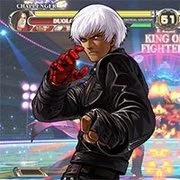




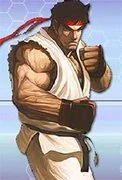
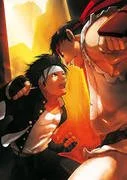
The King of Fighters 2003: Tag-Team Fighting Game
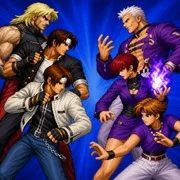
The King of Fighters 2003 is a 2D head-to-head fighting game where players control teams of three characters and swap them in and out mid-match. Released by SNK Playmore in 2003, it marked the seventh entry in the main King of Fighters series and the first to fully replace the traditional round-based team format with a tag-team system.
The shift was a big one. Earlier KOF titles had players burn through their three fighters one at a time, each elimination locking in the next character. KOF 2003 broke that rule. Now players could tag teammates in during combat, chain attacks across characters, and rethink how a match flowed from second to second.
Gameplay and Tag System
Each match still pits two teams of three against each other, but the active fighter can be switched out at almost any moment—during combos, after blocking, or just to escape pressure. Tagging costs a small piece of the Power Gauge, so players have to weigh when a swap is worth it.
The Power Gauge fills up through attacking and taking hits. It can be spent on Super Special Moves, defensive tag-ins, or the new Leader Super Special Moves, which only one designated leader per team can unleash. Picking who leads the team matters. Some characters have devastating leader supers, others bring more value as backup.
Guard Cancel rolls and counters return from earlier entries, but the addition of cross-character combo potential gives KOF 2003 a different rhythm. Matches feel less like three duels stitched together and more like a single fluid fight with rotating fighters.
Story and Setting
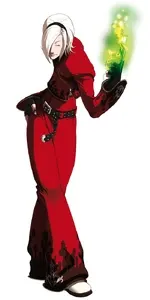
The plot picks up after KOF 2001 and 2002, continuing the long-running Ash Crimson saga. A mysterious young fighter named Ash Crimson enters the tournament with his own agenda, and his presence sets up the next several years of KOF storylines. Chizuru Kagura, one of the three keepers of the Yata Mirror sealing the Orochi power, comes under attack. Ash is at the center of it.
This game kicked off what fans call the “Tales of Ash” arc, which wrapped up years later in KOF XIII.
Characters and Roster
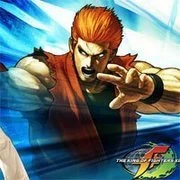
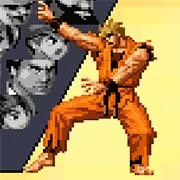
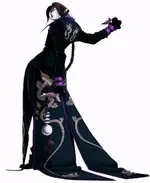
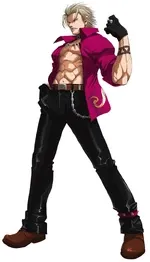
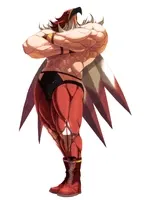
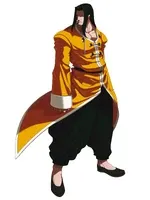
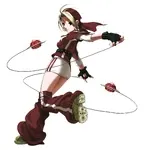
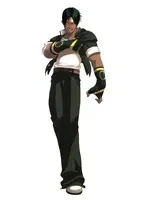
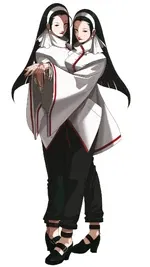
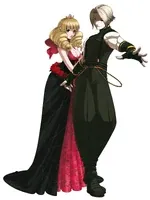
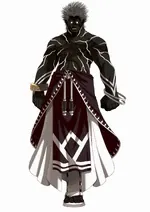
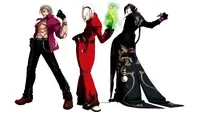
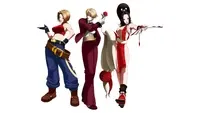
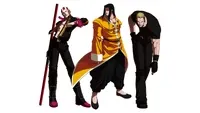
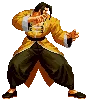
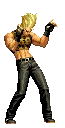
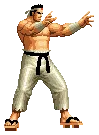
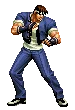
The roster includes returning fan favorites like Kyo Kusanagi, Iori Yagami, Terry Bogard, Mai Shiranui, and Ryo Sakazaki, along with new faces. Ash Crimson, Shen Woo, and Duo Lon debut here as the new protagonist team. Other newcomers include Malin and Adelheid Bernstein, the son of series antagonist Rugal.
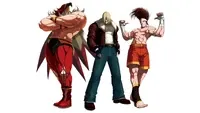
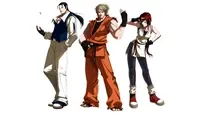
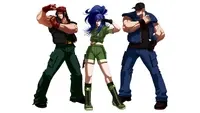
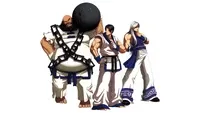
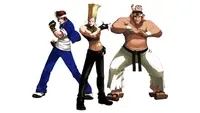
Several classic teams come back with familiar lineups—the Fatal Fury team, the Art of Fighting team, the Women Fighters team, and the Ikari Warriors. Mr. Big returns after a long absence. Hidden bosses Mukai and Adelheid round out the harder unlockables.
Reception and Legacy
Reception was mixed at launch. Some longtime players liked the tag system and the fresh direction. Others felt the game ran rougher than past entries and missed the elimination-style format that had defined KOF for years. The visuals reused a lot of sprite work from earlier games, which drew criticism too.
Still, KOF 2003 holds an important spot in the series. It introduced Ash Crimson, redefined team mechanics, and pushed the franchise into new storytelling territory. Later games refined what 2003 started.
The game was released on the Neo Geo arcade hardware and later ported to PlayStation 2 and Xbox as part of various compilations.
Game Controls
- Directional buttons – Move character
- A – Light punch
- B – Light kick
- C – Heavy punch
- D – Heavy kick
- A+B – Roll / evade
- B+C – Tag in next teammate
- C+D – Heavy attack / CD blowback
Characters
The new characters added to the roster (between originals and of other franchises) are:
|
|
|
|
|
|
|
|
|
|
|
|
|
|
|
|
|
|
|
- Note 1: With the end of Striker System, the return of the formation of trios and the implementation of the Tag Battle system, the new team formations are the following:
 |
|
 |
|
 |
|
|
|
 |
|
 |
|
 |
|
 |
|
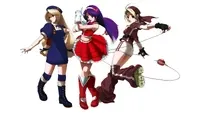 |
|
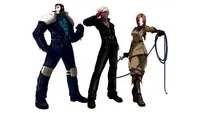 |
|
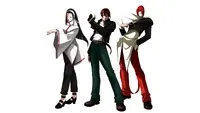 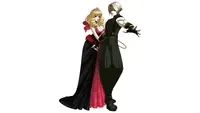 |
- Note 2: About both Sub-Bosses and Final Bosses, there are some considerations:
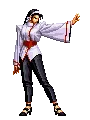
- The Sub-Bosses are exclusive to the True Ending, and fights together as a team.
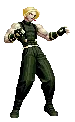
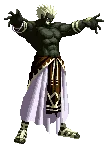
- The Final Bosses are NPCs in Arcade mode as Maki Kagura, and Hidden unlockable in Home Consoles.
- Note 3: Some parenthetical citations are sometimes Japanese team names, sometimes shortened team names.
Official Team Roster
“Hero Team” (A.K.A. Ash Team or “Protagonist Team”)
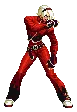 |
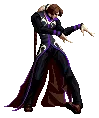 |
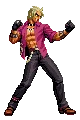 |
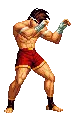
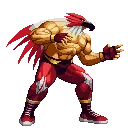
Fatal Fury Team (A.K.A. Garou Densetsu Team)
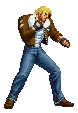 |
 |
 |
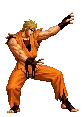
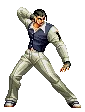
Art of Fighting Team or Ryūko no Ken Team (A.K.A. Kyokugenryu Team)
 |
 |
 |
Ikari Warriors Team (A.K.A. Ikari Team)
 |
 |
 |
Women Fighters Team
 |
 |
 |
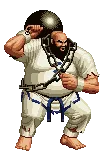
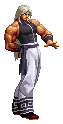
Korea Justice Team (A.K.A. Kim Team)
 |
 |
 |
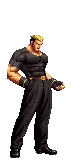
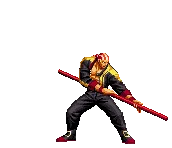
Outlaw Team
 |
 |
 |
Japan Team (A.K.A. New Benimaru Team)
 |
 |
 |
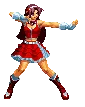
High School Girls Team (A.K.A. Athena Team)
 |
 |
 |
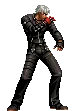
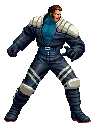
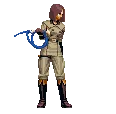
K’ Team
 |
 |
 |
Single Entry Fighters
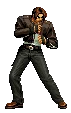 |
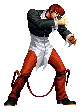 |
Mid-Boss
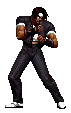 |
Sub-Bosses
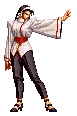 |
 |
Final Bosses
- Note: Unlike prior games, there are multiple different Final Bosses. Depending on how the fight against Kusanagi went, the player will face off against two different Bosses.
 |
|
 |
Special Edit Teams
Three Sacred Treasures Team
|
|
|
Original/Classic Japan Team (A.K.A. Orochi Saga Hero Team)
|
|
|
KOF ’94 Women Fighters Team (A.K.A. Classic Women Fighters Team)
|
|
|
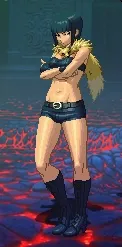
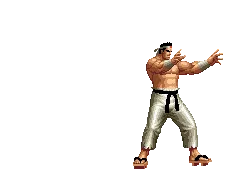
NPC Characters
 |
 |
 |
As always, remember to have fun!