Samurai Shodown 3


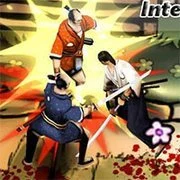
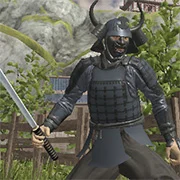
Samurai Shodown III: Blades of Blood – Classic SNK Arcade Fighting Game
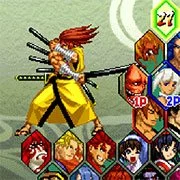
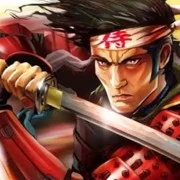
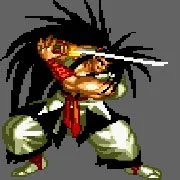
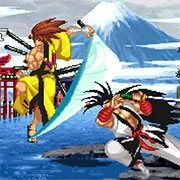
Samurai Shodown III: Blades of Blood is a weapon-based fighting game from SNK, set in feudal Japan and built around tense one-on-one duels with blades, fists, and supernatural abilities. Released on November 15, 1995, it serves as the third entry in the long-running Samurai Shodown series and kicks off a two-part storyline that fits chronologically between the first and second games.
A Darker Turn for the Series
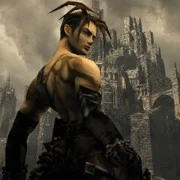
The biggest shift here is tone. The earlier games leaned into colorful humor and exaggerated personalities, but this entry strips a lot of that away. Characters were completely redrawn, and the lighter-hearted fan favorites — Earthquake, Cham Cham, and Gen-an — got cut from the roster entirely. Kyoshiro Senryo, once a flashy kabuki performer, was reworked into a grim, hulking brawler. The whole presentation pulls in a grittier direction.
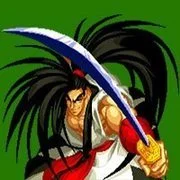
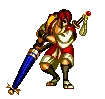
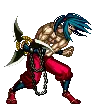
Eight returning fighters share the screen with a handful of newcomers. Shizumaru Hisame, a young umbrella-wielding boy with patchy memories, takes the spotlight as the new protagonist. He’s hunting Zankuro Minazuki, the towering swordsman he believes slaughtered his family — and the game’s final boss. Joining the cast are Rimururu (Nakoruru’s ice-powered younger sister), Gaira Caffeine (a brash monk and nephew of Nicotine Caffeine), and Basara Kubikiri, an undead spirit out for revenge. Haohmaru, the series’ usual face, takes a backseat this time around.
Slash and Bust: Two Sides of Every Fighter
Every character now comes in two flavors. Slash, known in Japanese as Shura, plays closer to how that fighter handled in Samurai Shodown II — a familiar baseline for returning players. Bust, called Rasetsu, is the more aggressive variant with a different moveset and a darker color palette to match the demonic naming.
The split isn’t just cosmetic. Movesets and playstyles can shift dramatically between the two versions. Nakoruru is the standout example — her Slash form fights alongside her pet hawk Mamahaha, while her Bust form swaps in a wolf named Shikuru. Galford, meanwhile, ditches his loyal dog Poppy in his Bust form for the first time in the series.
Gameplay and Combat Changes
SNK rebuilt the controls from the ground up. Three of the four buttons now handle weapon attacks at weak, medium, and strong strengths — a big departure from the previous two-and-two layout. The fourth button is reserved for kicks.
Combat feels faster too. Many basic attacks can be canceled into special moves, something that barely existed in the first two games. The old free-movement system was scrapped in favor of a parry mechanic, and pressing the A and B buttons together lets players sidestep incoming attacks. Pull that off up close and your fighter swaps positions with the opponent, opening them up to a follow-up combo. Mid-air blocking is also possible. Battlefield items now get tossed in from off-screen instead of being delivered by a running NPC — a small detail, but it fits the colder atmosphere.
Platforms and Ports
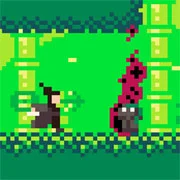
The game launched on Neo Geo MVS arcades and quickly made its way to the Neo Geo AES and Neo Geo CD. PlayStation and Sega Saturn versions followed in 1996. A Game Boy release titled Nettou Samurai Spirits: Zankuro Musouken came out exclusively in Japan, handled by Takara — the studio behind several SNK arcade ports. That handheld version dropped Kyoshiro and Gaira but brought back Jubei Yagyu as a hidden boss and secret character. It also supported Super Game Boy enhancements, color art, cutscenes between fights, and even featured blood on a portable Samurai Shodown for the first time, though only rendered in black.
Years later, the game found a second life on the Wii Virtual Console, hitting Japan in April 2010 before reaching PAL regions and North America that September.
Reception
Reviews landed in mixed-to-positive territory. Electronic Gaming Monthly thought the visuals took a step back from the previous two entries but called the expanded roster and the dual-persona system genuine improvements. GamePro’s Major Mike pointed out that the Slash/Bust split and sidestepping were clever, though he missed several cut characters and found the backgrounds underwhelming. Maximum magazine was more enthusiastic about the Neo Geo CD version, highlighting the experimental soundtrack and tighter character balance — but flagged the difficulty as punishing.
The PlayStation port didn’t fare as well. GameSpot and GamePro both called out missing animation frames, slowdown, and long load times. Still, the arcade version dominated Japanese arcades — Game Machine ranked it the most popular arcade title of the year, and the AES release sold over 48,000 copies in its first week according to Famitsu.
Official Roster
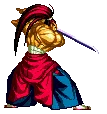
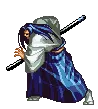
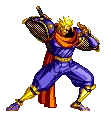
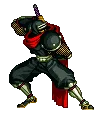
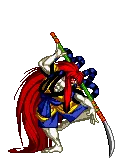
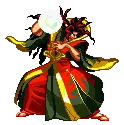
Returning Characters
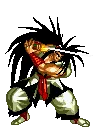 |
 |
 |
 |
 |
 |
 |
 |
New Characters
 |
 |
 |
Character Available in All Versions (Except in Korean Version)
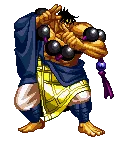 |
Character Available Only in Korean Version (Fighters Swords)
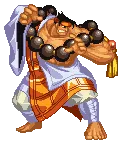 |
Game Boy-Exclusive Character
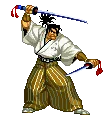 |
Mid-Boss
 |
Final Boss
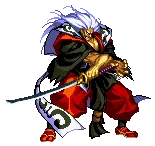 |
As always, remember to have fun!